
A frequently debated strategic question among project stakeholders is the optimal choice between Microsoft Project (MSP) and Primavera P6. Which one is good for my project management needs? So let’s address this thoroughly today.
THE KEY DIFFERENCE BETWEEN PRIMAVERA AND MS PROJECTS
While both MS Project and Primavera P6 prevalent scheduling tools in the capital projects market, many contractors lack a definitive framework for selecting the superior tool for their operational scale. Project Management Information Systems are not only costly but also require too much data feeding to actually start producing some real results from them, so rather than wasting precious time and money, take out some time and watch this video till the end.
The key difference between both Primavera and MS projects is that Primavera is a database-based software and MSP is a file-based software. So, how does this difference actually affect you and your organization? There is no one version of the truth when it comes to file-based software and it becomes very difficult to manage the transfer of information due to reliability concerns. This lack of centralized control compromises auditability and introduces the risk of utilizing non-current or unauthorized schedule versions.
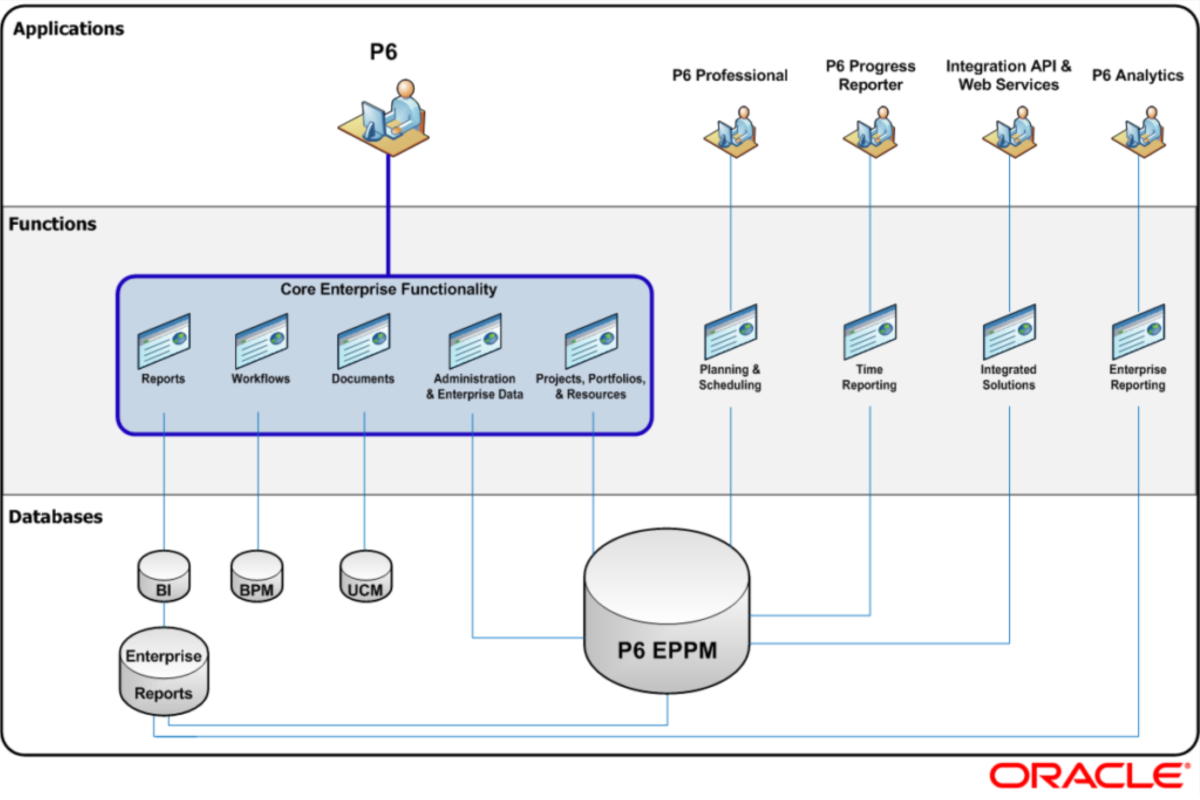
Database systems ensure data centralization, where all updates are synchronously stored on a single platform, enabling simultaneous, multi-user access across the enterprise. So Primavera comes with this exceptional ability to give you one version of the truth for the whole project team.
The second most important difference is the User Interface. The user interface of Microsoft project is very similar to that of excel with some additional project management features like scheduling, baselines, and resource allocations, but because these are just features that were added as the product advanced users may encounter challenges to find all the things in one place. Critically, MS Project lacks robust, integrated functionality for data sorting and filtering based on structured Activity Coding or complex Work Breakdown Structures (WBS)
Conversely, Primavera was designed as an enterprise-grade solution built on the Oracle SQL database, providing robust database management capabilities for complex schedules.
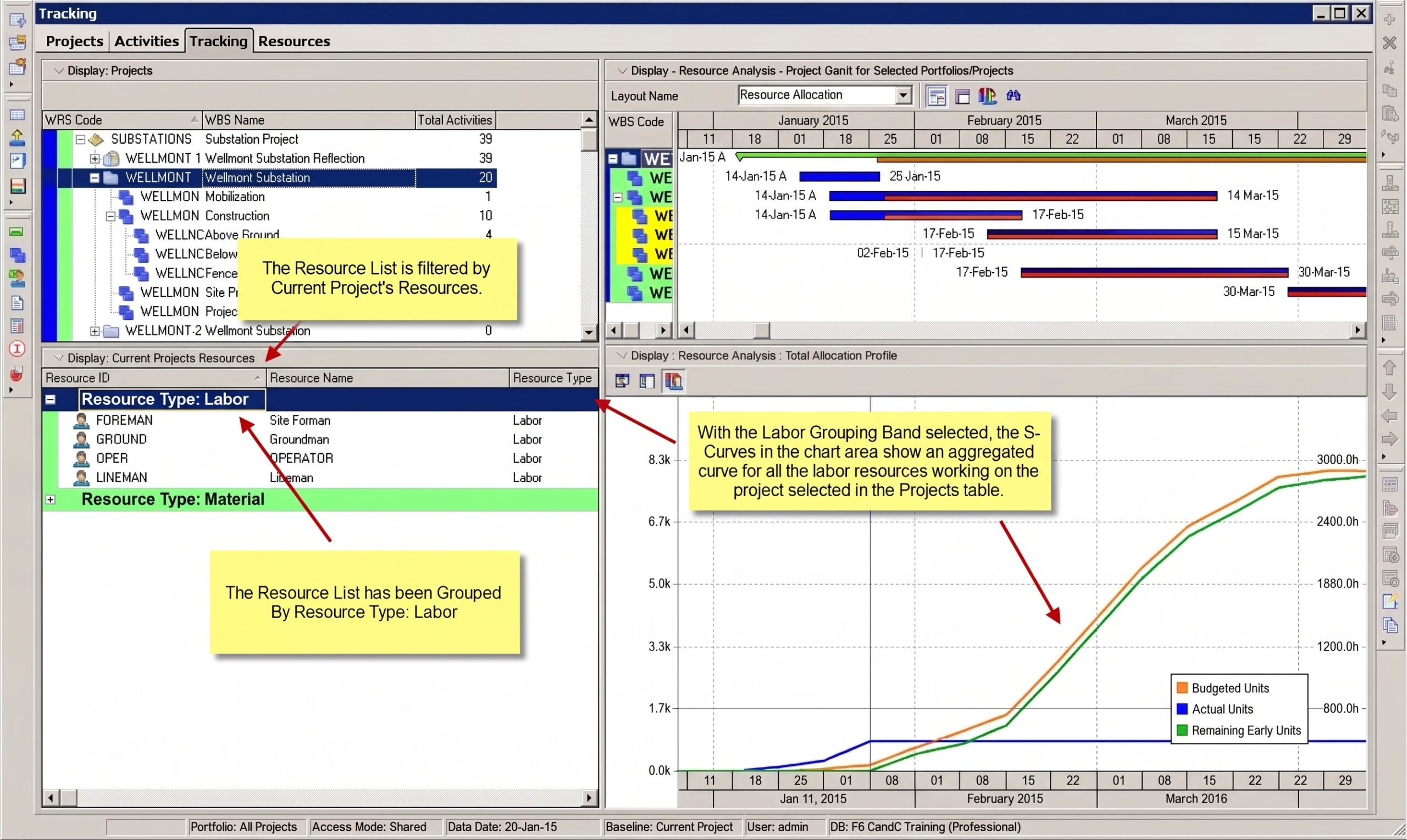
Figure: Primavera resource tracking and S-Curve visualization for labor resources
The third critical difference is the native integration of Risk Management capabilities within the scheduling framework. As we all know: Man Plans and God Laughs, so it is very important to take into consideration the risks that are an inherent part of the Project Management business. While MS Project lacks native functionality for integrating risk, Primavera (P6) natively supports both qualitative and quantitative risk analysis at the activity level, often enabling probabilistic forecasting. So, what’s the verdict? Primavera P6 is a premium solution, optimally suited for large-scale capital programs (e.g., projects exceeding $5 million), characterized by multi-user environments and extensive activity counts. Here most projects are part of a bigger project, and a lot of integrations and APIs are required.
Conclusion
If this sounds like you then Primavera is the right choice for you but if you have smaller projects with fewer complexities, go with MS Project. Should you require further strategic consulting or assistance in system selection, our team is available to provide specialized guidance.
If you are planning an upcoming project, we are here to provide the necessary expertise. Contact our team at +32 3 651 23 45 or info@ingeniva.eu to discuss the specifics of your project.
Recent Comments