

Engineering, Procurement, and Construction (EPC) projects, given their complexity, necessitate robust cost governance to ensure successful capital delivery. Effective cost control techniques play a vital role in optimizing project finances and mitigating financial risks.
In this blog post, we will explore five proven cost control techniques for EPC projects. By implementing these techniques, project managers can enhance cost management practices and drive successful project outcomes.
Accurate Cost Estimation
Accurate cost estimation forms the foundation of effective cost control in EPC projects. Project managers must conduct comprehensive analyses to estimate costs associated with engineering, procurement, and construction activities.
By considering various factors such as labor, materials, equipment, subcontractors, and project specifications, accurate cost estimation enables better financial planning and budgeting. Leveraging historical data, industry benchmarks, and expert insights enhances the accuracy of cost estimation, leading to more reliable project budgets and cost control.
Earned Value Management (EVM)
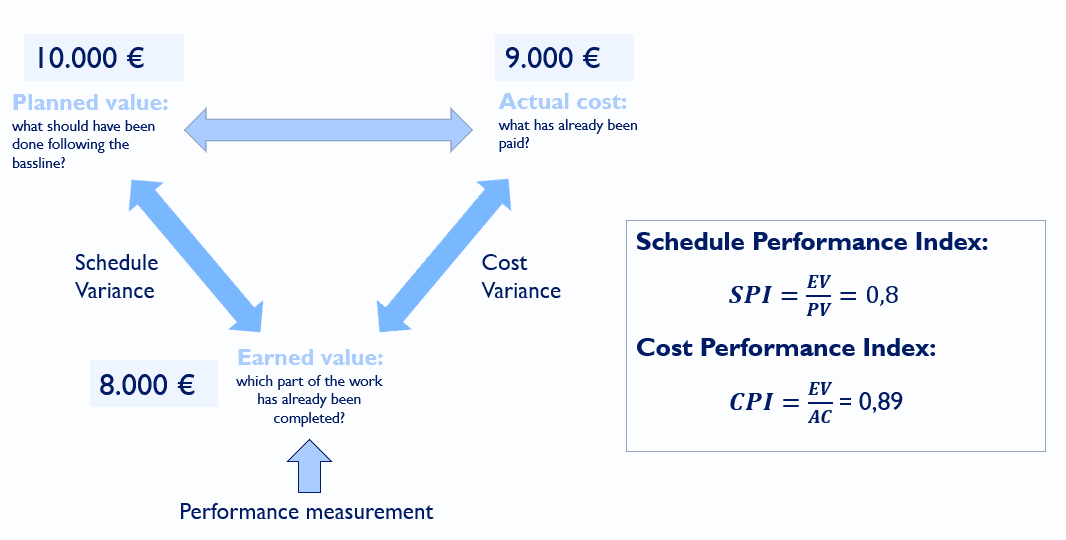
Earned Value Management (EVM) is a powerful technique used in EPC projects to measure project performance and track costs. EVM integrates project scope, schedule, and cost to provide valuable insights into project progress and financial performance.
By comparing the value of work completed (earned value) against the actual costs incurred, project managers can identify cost deviations early on. EVM enables proactive decision-making, allowing project teams to implement corrective actions promptly and ensure cost control throughout the project lifecycle.
Robust Change Management
Change is inevitable in EPC projects, and managing changes effectively is crucial for cost control. Robust change management procedures enable project teams to assess the impact of scope changes on project costs and schedule. By implementing a formal change management process, including change request submission, impact analysis, and approval protocols, project managers can avoid cost overruns resulting from uncontrolled scope creep. Strict change control ensures that changes are evaluated, documented, and communicated effectively, maintaining cost control and minimizing project disruptions.
Supplier and Contractor Management
Effective supplier and contractor management is vital for cost control in EPC projects. Project
managers must establish strong relationships with suppliers and contractors, fostering open
communication and proactive collaboration.
Regular evaluation of suppliers and contractors based on performance, quality, and adherence to budget and schedule helps maintain cost control. By promoting competitive bidding, negotiating favourable contracts, and monitoring performance closely, project teams can mitigate cost risks, ensure cost-effective procurement, and minimize delays or cost overruns caused by supplier or contractor-related issues.
Risk Management and Contingency Planning

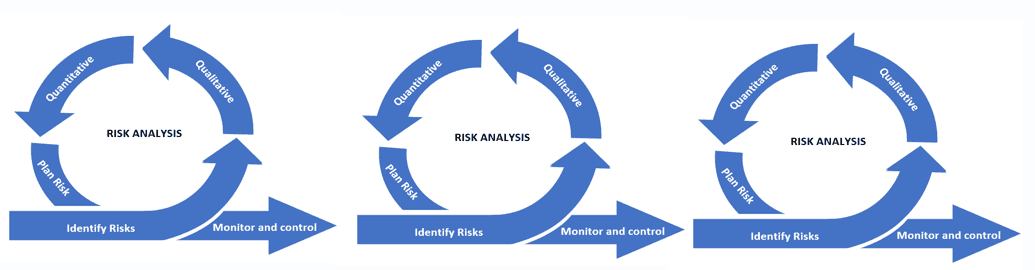
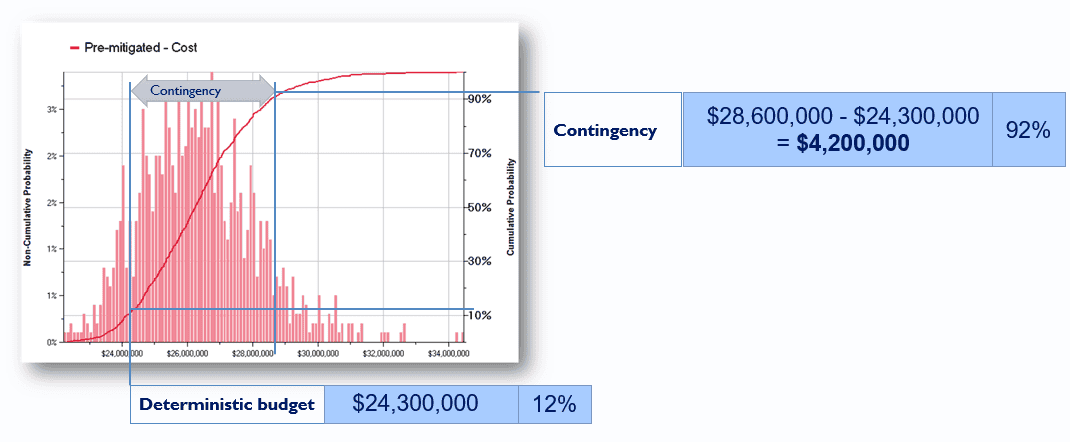
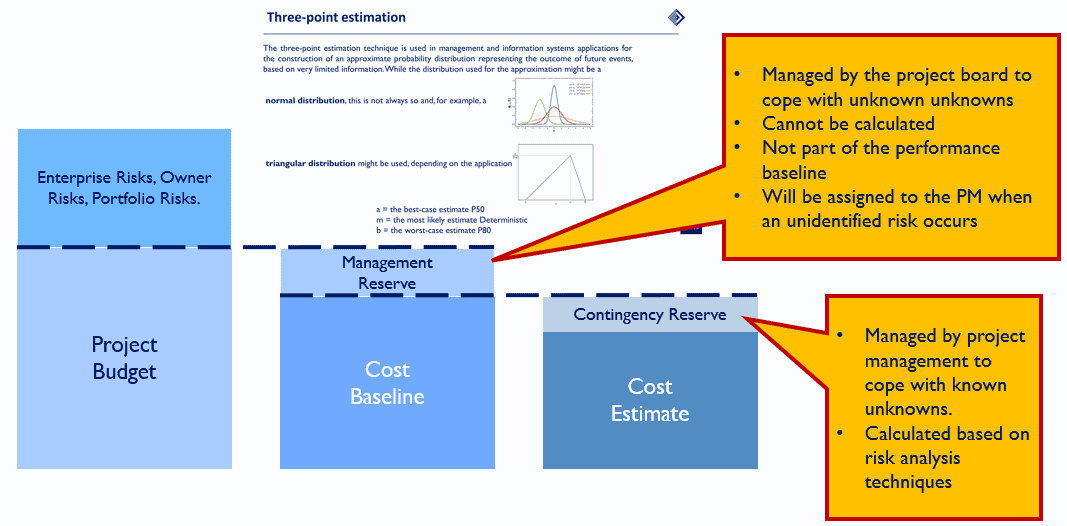
Proactive risk management is an essential component of strategic cost control in EPC projects. Identifying and assessing potential risks early in the project allows project teams to develop effective contingency plans. By allocating contingency reserves in the project budget, project managers can mitigate the impact of risks on project costs.
Regular risk assessments, proactive risk mitigation strategies, and continuous monitoring of risk triggers ensure that cost uncertainties are addressed promptly, minimizing financial risks and maintaining cost control throughout the project lifecycle.
Conclusion
Cost control is a critical component of successful EPC project management. By implementing accurate cost estimation techniques, leveraging Earned Value Management, adopting robust change management practices, ensuring effective supplier and contractor management, and implementing comprehensive risk management and contingency planning, project managers can enhance cost control in EPC projects.
These techniques enable proactive decision-making, minimize cost overruns, and ensure projects are delivered within budgetary constraints. By prioritizing cost control, organizations can achieve financial stability, optimize project outcomes, and establish a reputation for delivering successful EPC projects.
If you are planning an upcoming project, we are here to provide the necessary expertise. Contact our team at +32 3 651 23 45 or info@ingeniva.eu to discuss the specifics of your project.
Recent Comments