

When project owners are choosing an EPC contractor to complete their capital project, it is important to understand the types of risk involved and how prospective contractors mitigate risk.

Effective risk management is fundamental to the success of any EPC capital project and address exposure related to:
-
Schedule & Cost Risk
-
Quality & Performance Risk
-
Safety & Environmental Risk
Let’s dive into the anatomy of these risks during capital projects, from inception to execution, and unveil some risk management benefits.
- Risk management enhances decision-making visibility
- Risk management supports proactive problem resolution
- Risk management strengthens stakeholder communication
- Risk management provides a structured basis for governance
Clarifying EPC Project Risk Management
Partnering with an EPC contractor for your capital project can deliver several key benefits like price assurance, diminished delays, and uniform quality across project phases. However, reaping these benefits of a design-build methodology hinges heavily on the contractor’s expertise in risk management spanning schedule, cost, quality, safety, and environmental facets.
Outlined below are some crucial steps that EPC contractors should undertake to mitigate each project risk.
Managing Timelines and Financial Exposure
The knack for handling schedule and financial risks is hinged on meticulous planning by the contractor, which includes robust and early scope definition, prompt crafting of a detailed execution strategy, and strong project controls.
Solid and Early Scope Definition:
Early and structured scope definition is a primary determinant of EPC project success. Scope definition becomes vital for the success of projects undertaken with an EPC delivery method.
Process:
- Project Objectives: Clearly define and document the project objectives, outcomes, and deliverables.
- Scope Statement: Create a comprehensive scope statement that includes project boundaries, inclusions, exclusions, constraints, and assumptions.
- Work Breakdown Structure (WBS)
Prompt Execution Strategy: Grasping the project’s critical path and chalking out a detailed execution plan at the onset can remarkably curb schedule and financial risks.
Effective Project Controls: Throughout the execution stage, robust project controls are essential in controlling schedule and financial risk. Frequent tracking and reporting of project progress and adjusting to maintain alignment with the original timeline and budget is key.

Schedule contingency: Every project encounters unforeseeable delays, such as inclement weather conditions, that can derail the project timeline. Therefore, it is advisable to include a time ‘buffer’ during the planning phase.
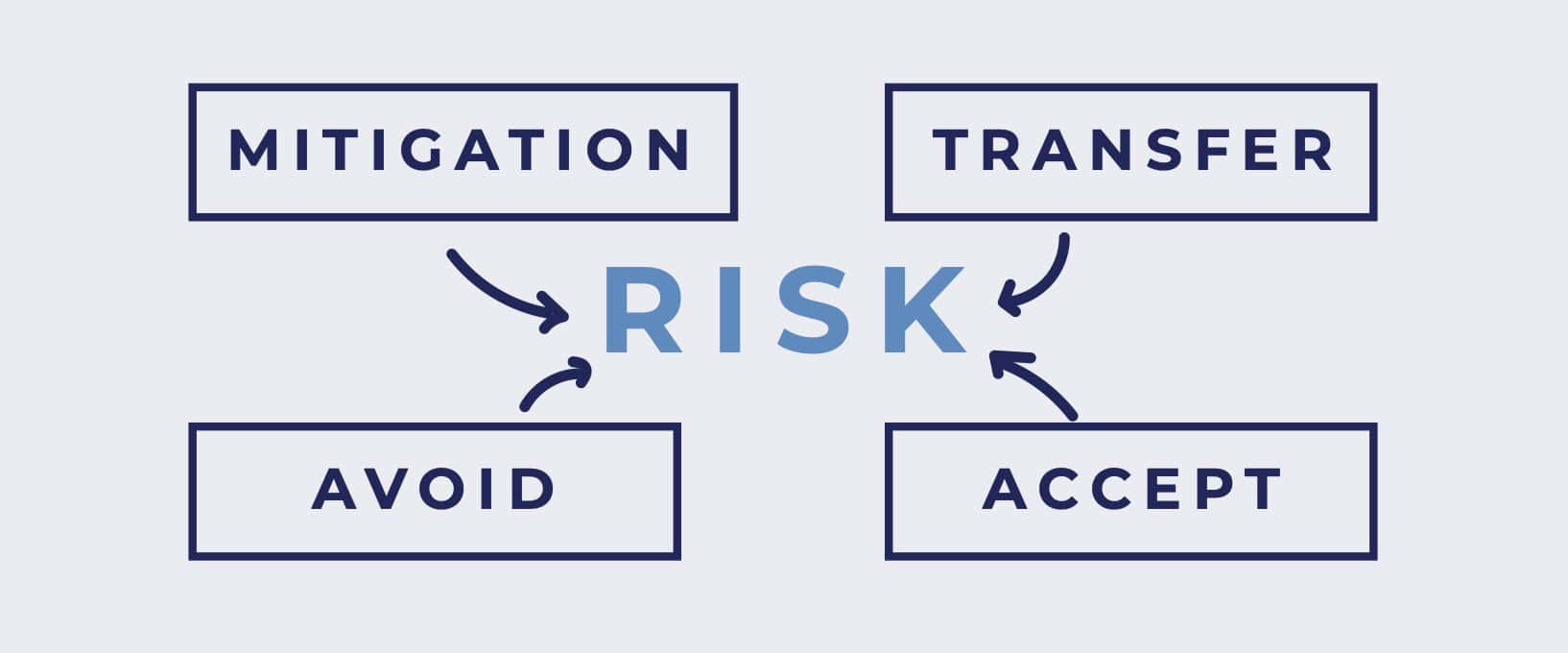
Risk Isolation: Each project component should be examined independently to identify risks, evaluate potential impacts, and establish mitigation strategies.
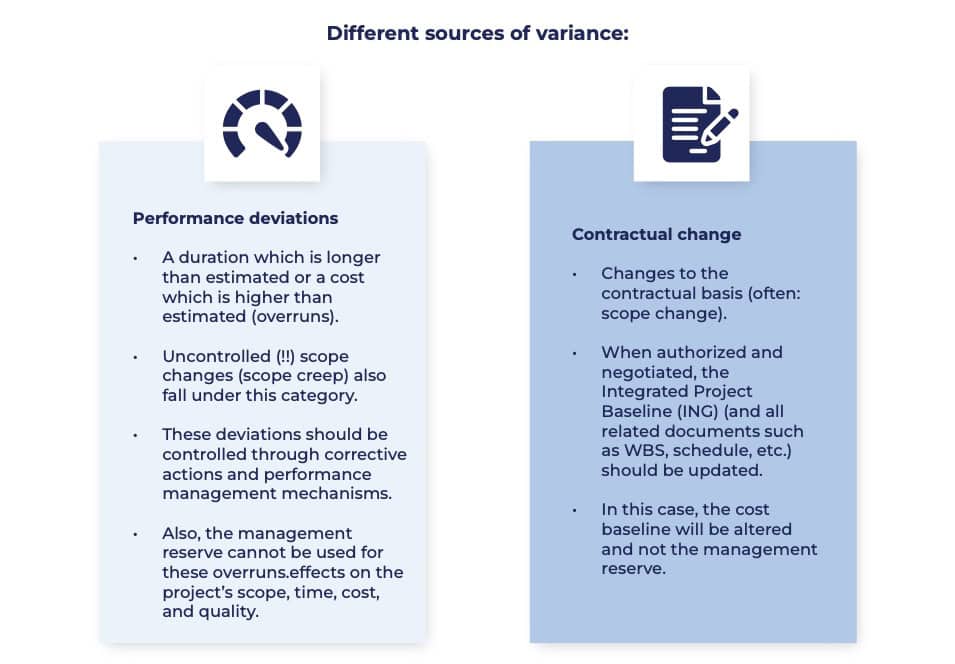
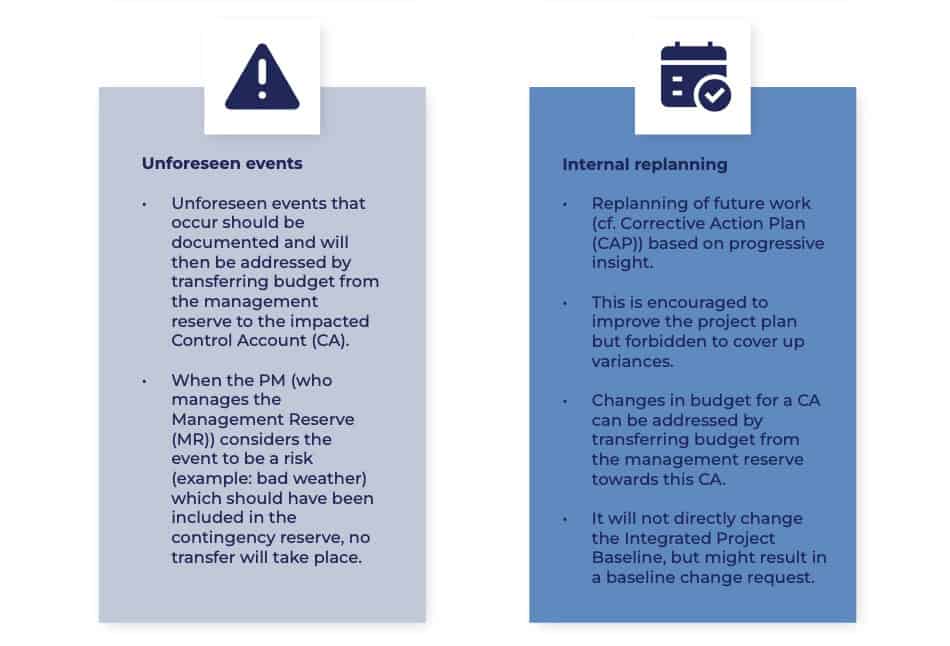
Streamlined Change Management: While the scope should be well-defined during the initial planning phase, minor changes to the scope are expected throughout a capital project. Formalized change management processes minimize schedule and cost variance.
Different sources of variance:
Quality Assurance
It is imperative to know that contractors are taking measures to maintain uniform quality across all disciplines and project stages, even though quality standards for engineering and construction are typically established during the planning phase based on the project owner’s budget and requirements.
In-House Competencies:
EPC contractors should possess full in-house capabilities from planning to execution. Engineering and design must maintain a construction focus to ensure the design is achievable within the specified timeline and budget.
Multidisciplinary Quality Inspectors:
Quality assurance personnel should operate with multidisciplinary competence, enabling systemic evaluation rather than isolated technical verification. Quality management systems should be integrated across engineering, procurement, and construction phases, ensuring alignment between design intent and field execution.
Collaborative Communication:
Team members should engage in continuous communication and collaboration across all disciplines and project phases to ensure consistent quality. Supplier selection strategies should balance reliability, performance history, and risk diversification.
Work Process Analysis:
Contractors should scrutinize individual work processes contributing to specific job activities. When these roadmaps are thoughtfully crafted and diligently followed, they can drive consistent quality and ensure no steps or components are overlooked.
Safety Measures and Environmental Hazards
Safety and environmental risks can be minimized with a robust project execution plan. Early identification of high-risk activities is critical, as these might require additional planning and the creation of specific project workflows.
Effective risk management is the cornerstone of any successful project. If you are planning an upcoming project and want to ensure every risk is assessed, we are here to provide the necessary expertise.
Contact our team at +32 3 651 23 45 or info@ingeniva.eu to discuss the specifics of your project.
Recent Comments