

Management reserves are a critical yet often misunderstood and ill-defined component of project management. Their purpose and utilization are of paramount importance in managing uncertainties and risks during project execution, but they are seldom explained well and are frequently misused. This blog post aims to demystify the concept of management reserves and discuss their role in successful project management.
What is a Management Reserve?
Before delving into the nuances, it’s essential first to establish what a management reserve is. In the context of project management, a management reserve is a budget set aside for managing risks that are unforeseeable or ‘unknown unknowns’. These are potential problems that are not anticipated during the initial project planning stages, nor identified in risk management planning.

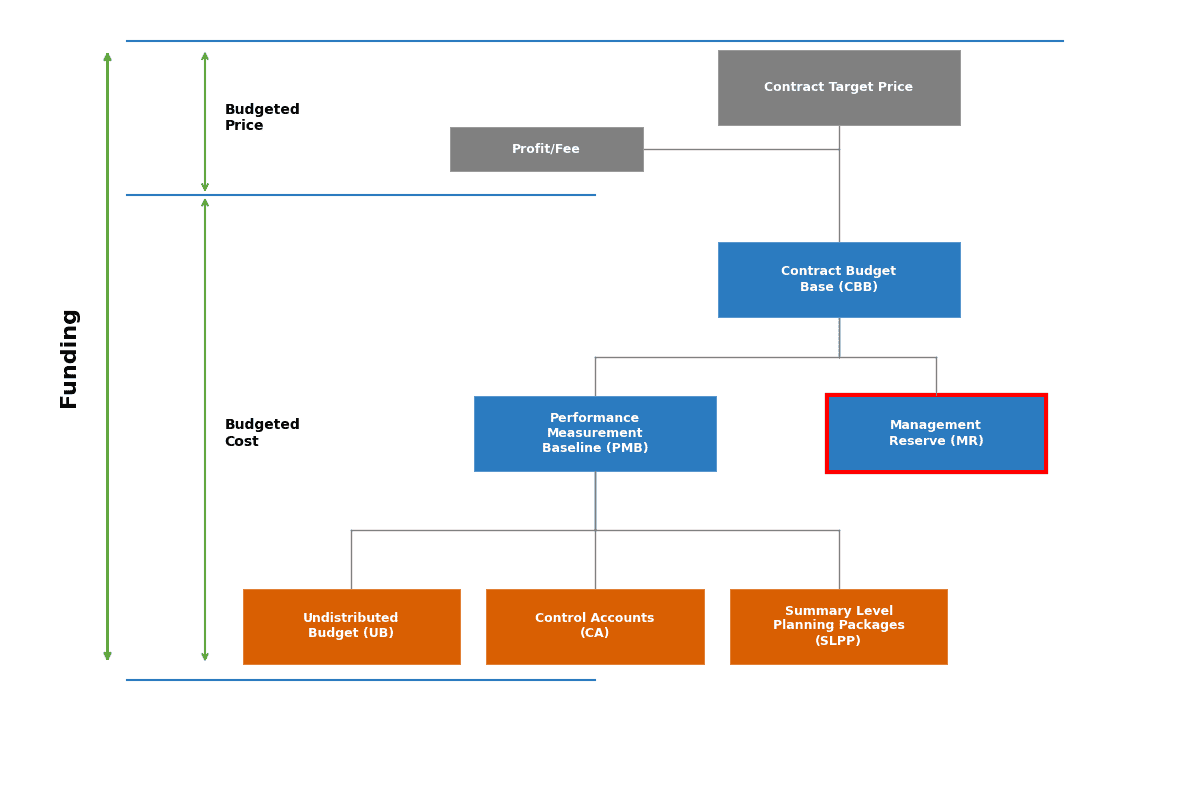
A management reserve is different from a contingency reserve, another critical component in project budgets. While a contingency reserve is allocated to manage known risks (Endogenous risks) and often included in the project’s baseline cost, a management reserve is typically set outside the baseline budget (Exogenous risks). It can be understood as a security blanket, providing financial protection against unpredicted situations that can lead to cost overruns.
Ultimately, whether to use the contingency reserve or the management reserve depends on the type of risk that occurs and who needs to manage it (the project team or board).
The Misunderstanding and Ill-definition of Management Reserves
Despite their importance, management reserves are often misunderstood. One of the prevalent misconceptions is the conflation of management reserves with contingency reserves. This leads to improper usage of these budgeting tools. Another widespread misunderstanding is that management reserves are slush funds to be utilized at a project manager’s discretion, which is not the case.
Furthermore, many organizations fail to define properly when and how to use management reserves, leading to confusion and inefficiency. This lack of definition often results in either underutilization, leaving projects vulnerable to unforeseen risks, or overutilization, leading to financial wastage.
The Importance of Clear Definition and Proper Use
Having an established, well-understood definition of management reserves is key. Such definition includes a clear identification of the purpose of these reserves, stipulations for their usage, and mechanisms for their control. Clear guidelines can help manage uncertainties better, ensure adequate resource allocation, and support decision-making processes.
When used correctly, management reserves can serve as a vital tool in maintaining the project’s health. They can enable swift response to unforeseen situations, thereby minimizing disruptions to the project schedule and preventing cost overruns. This flexibility is particularly beneficial in complex, high-risk projects where uncertainty is high.
Integrating Management Reserves in Project Management Practice
Despite the challenges, integrating management reserves into project management practice can be a straightforward process. Here are some steps to consider:
- Establish a Policy: Management should develop a clear policy on management reserves, including their purpose, size, and control mechanisms. This Policy must be part of the Risk management plan.
- Quantify the Reserve: Management reserves should be quantified based on the project’s complexity, risk, and overall budget (see next 9 steps). While there’s no universally agreed-upon amount, industry practices suggest setting aside 5% to 10% of the total project budget.
In this regard, the following steps are necessary:
- Risk identification (SWOT analysis)
- Risk owner appointed
- Risk register
- Risk Breakdown Structure
- Risk schedule modelling with the risk’s allocation
- Monte Carlo simulation
- P80, P60 and deterministic
- Three-point estimation and evaluation
- Contingency determination
- Monitor and Control: Regular monitoring and control are crucial to ensure that the management reserve is used properly and only when necessary. The usage should be justified and approved by appropriate stakeholders to maintain transparency and accountability.
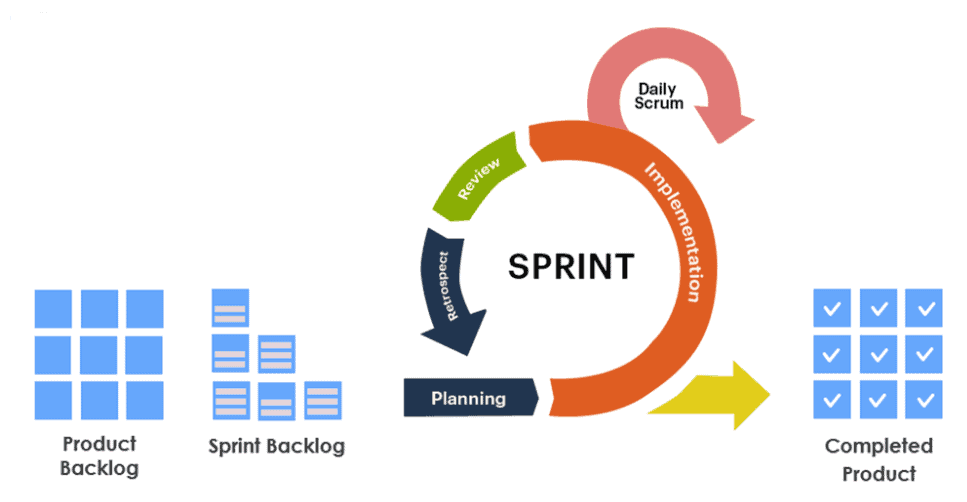
During every sprint the steps 1 to 9 of the” Quantify the Reserve” must be followed. The frequency and modality of the sprints will be detailed in the Risk management plan.
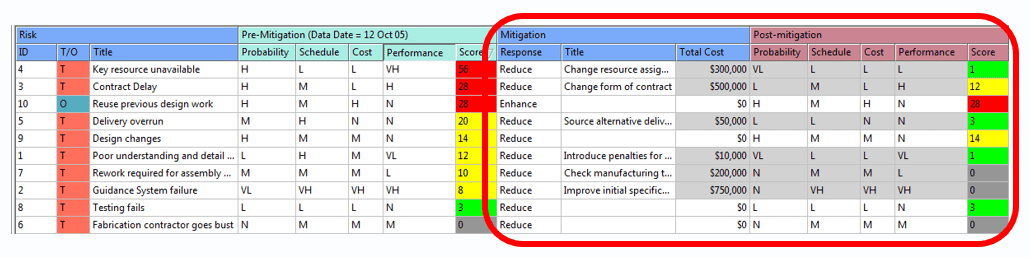
Risk response options:

- Maintain Flexibility: The reserve should be flexible enough to adapt to changing project needs. It might require adjustments as the project progresses and more information becomes available.
- Document and Learn: Every usage of the management reserve should be documented, providing valuable lessons for future projects. The actions taken are recorded in the risk register and a new simulation will be made to understand the benefits of these actions and the impact on the management reserve.
Conclusion
Management reserves, while often misunderstood and ill-defined, are a crucial part of successful project management. They protect projects against uncertainties and risks that weren’t identified during the planning stages. To maximize their effectiveness, organizations should develop clear policies and guidelines.

If you are planning an upcoming project, we are here to provide the necessary expertise. Contact our team at +32 3 651 23 45 to discuss the specifics of your project.
Recent Comments